

Beirut — Iran has reiterated that it does not seek a military confrontation with either ‘Israel’ or the United States, while warning it is fully prepared to respond if targeted again.
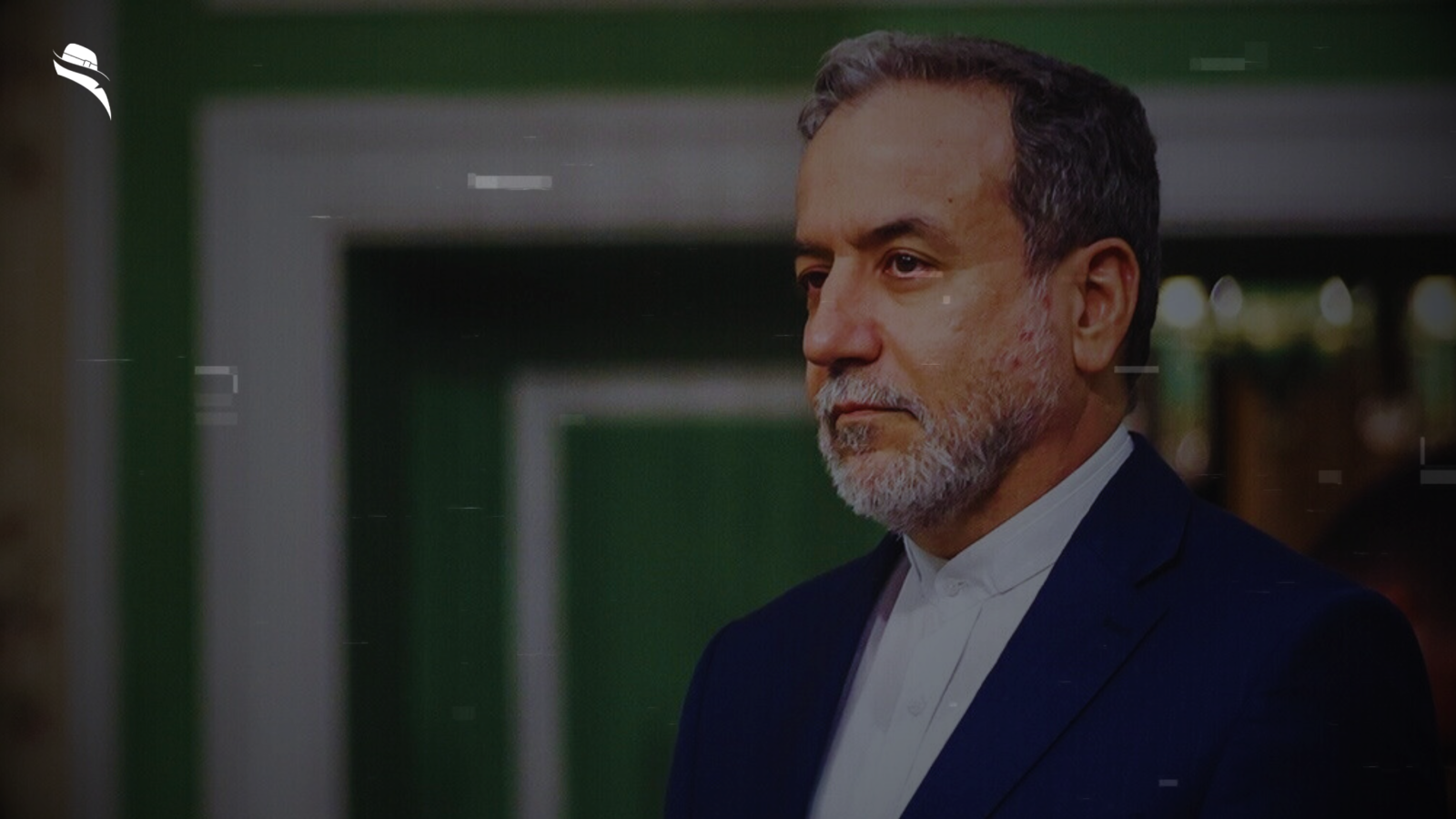
Speaking on Thursday during an official visit to Beirut, Iranian Foreign Minister Abbas Araghchi said Tehran remains committed to avoiding war but will not hesitate to retaliate if attacked.
“Iran does not want war with ‘Israel’ or the United States,” Araghchi said, adding that the country is prepared to defend itself if aggression resumes.
Warning to Washington and Tel Aviv
Araghchi’s remarks come amid heightened regional tensions and concerns that ‘Israel’, a close ally of the United States, could carry out further strikes against Iran. These fears follow a June confrontation in which ‘Israel’ killed senior Iranian military officials and nuclear scientists, while the United States struck Iranian nuclear enrichment facilities.
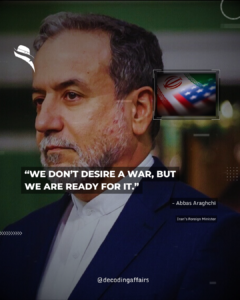
“America and Israel have tested their attack on Iran, and this strategy faced extreme failure,” Araghchi said. “If they repeat it, they will face the same results. We are ready for any choice. We don’t desire a war, but we are ready for it.”
Conditional Openness to Nuclear Talks
Despite the warnings, the Iranian foreign minister emphasized that Tehran remains open to renewed nuclear negotiations with Washington, provided talks are conducted on what he described as equal footing.
“The negotiations should be based on mutual respect and mutual interests,” Araghchi said. “Once the Americans accept constructive and positive talks rather than ordering dictation, the results of these negotiations become fruitful.”
Since the United States withdrew from the 2015 nuclear agreement in 2018, Iran has increased uranium enrichment to levels of up to 60% purity, a short technical step from weapons-grade material. Tehran maintains that its nuclear program is peaceful, while Western governments and the International Atomic Energy Agency (IAEA) have long asserted that Iran previously maintained a weapons program that was halted in 2003.
Renewed U.S. Pressure
In February, President Donald Trump reinstated a “maximum pressure” campaign against Iran. This included strikes in June on three major nuclear enrichment facilities, aimed at restricting Tehran’s nuclear capabilities. Trump warned in December that additional military action could follow if Iran attempted to rebuild its nuclear infrastructure.
Regional Diplomacy in Lebanon
Araghchi’s visit to Lebanon coincides with discussions with Lebanese officials on regional security and economic cooperation. He highlighted Iran’s interest in strengthening comprehensive ties with Beirut, particularly in the economic sphere.
The visit also follows Lebanon’s military completing the first phase of a plan to disarm armed factions, including Hezbollah, a development closely watched across the region.